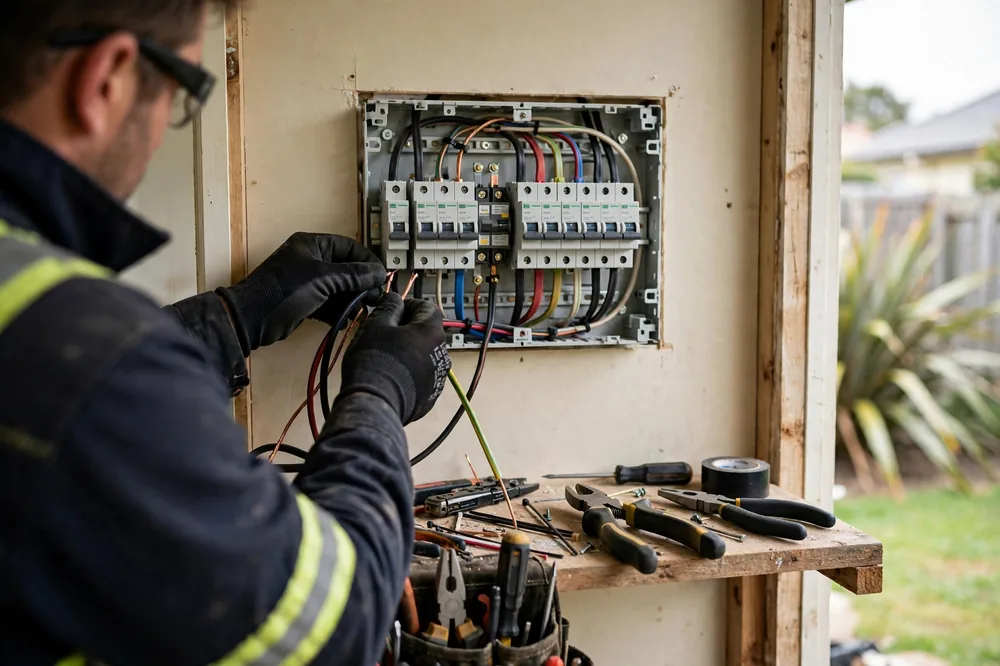
Age is the first clue. If your home still runs ceramic rewireable fuses, has a wooden or early composite board, or lacks any RCDs, assume upgrade work is likely. Other signs include breakers that trip under ordinary loads, buzzing or heat marks at the board, lights dimming when large appliances start, and a board so full that previous additions have been doubled up onto existing breakers. None of these mean you cannot own an EV; they mean the electrical foundation needs work first, which is precisely what a pre-install assessment is for.
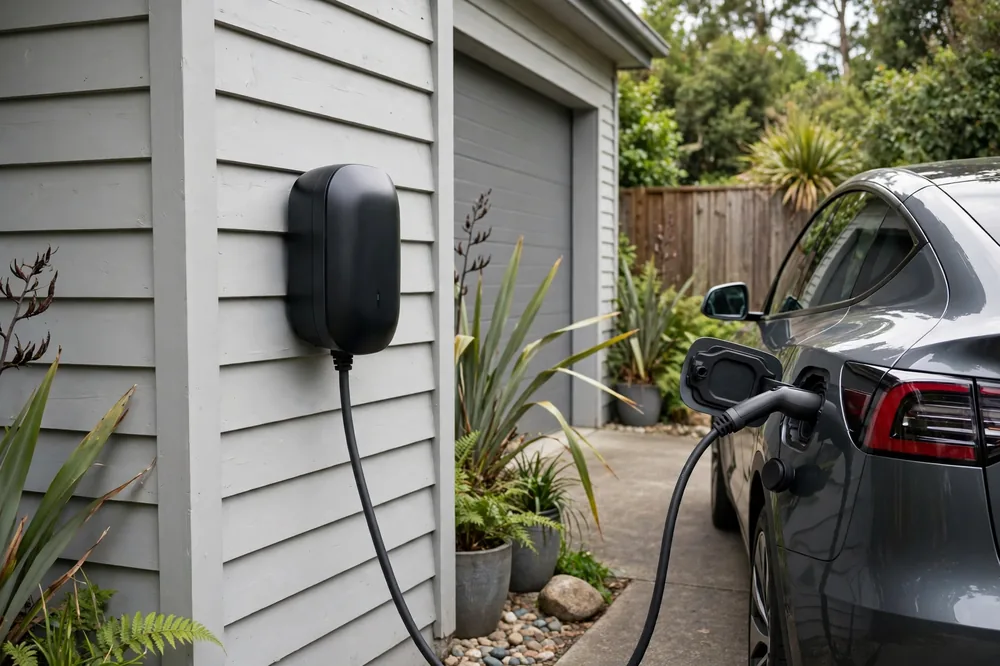
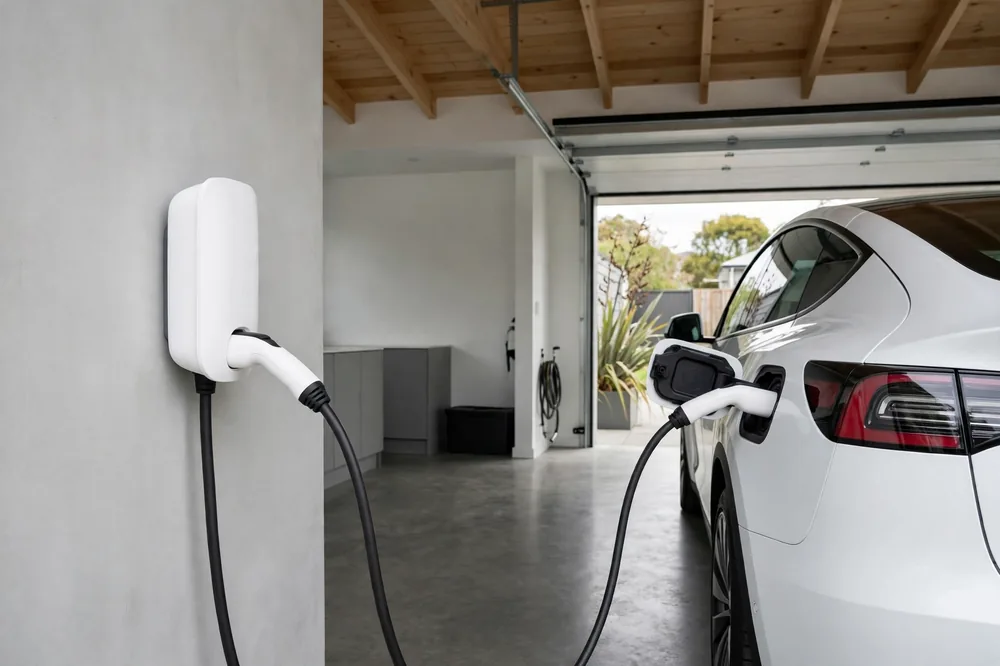
Capacity is subtler than counting breakers. A board can have physical space yet a main switch and supply sized for a smaller era, when the biggest loads were an oven and a hot water cylinder. Add a 7.4kW charger, heat pump heating, induction cooking and a spa, and maximum demand on a winter Tauranga evening can exceed the design. Electricians calculate this properly, and where the maths is tight, smart load management on the charger often solves it elegantly, trimming charge rate during peaks instead of rebuilding the supply.
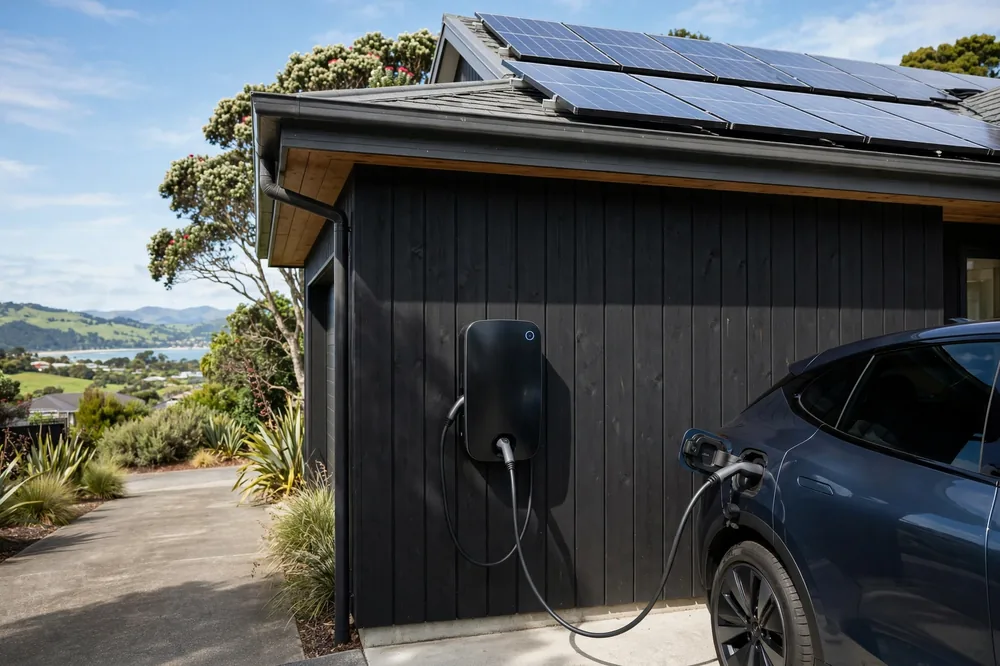
Treat the upgrade as household infrastructure, not an EV tax. A modern board improves protection for children, older wiring and every modern appliance you own, and it removes known insurance headaches associated with ancient fuse boards. Buyers also notice: in a city growing as fast as Tauranga, with around 165,000 residents and strong property turnover, a certified modern switchboard plus an installed EV charger reads as a cared-for, future-ready home rather than a project for the next owner.